
Browse All Case Types
Pre-Settlement Funding for Trench and Excavation Collapses
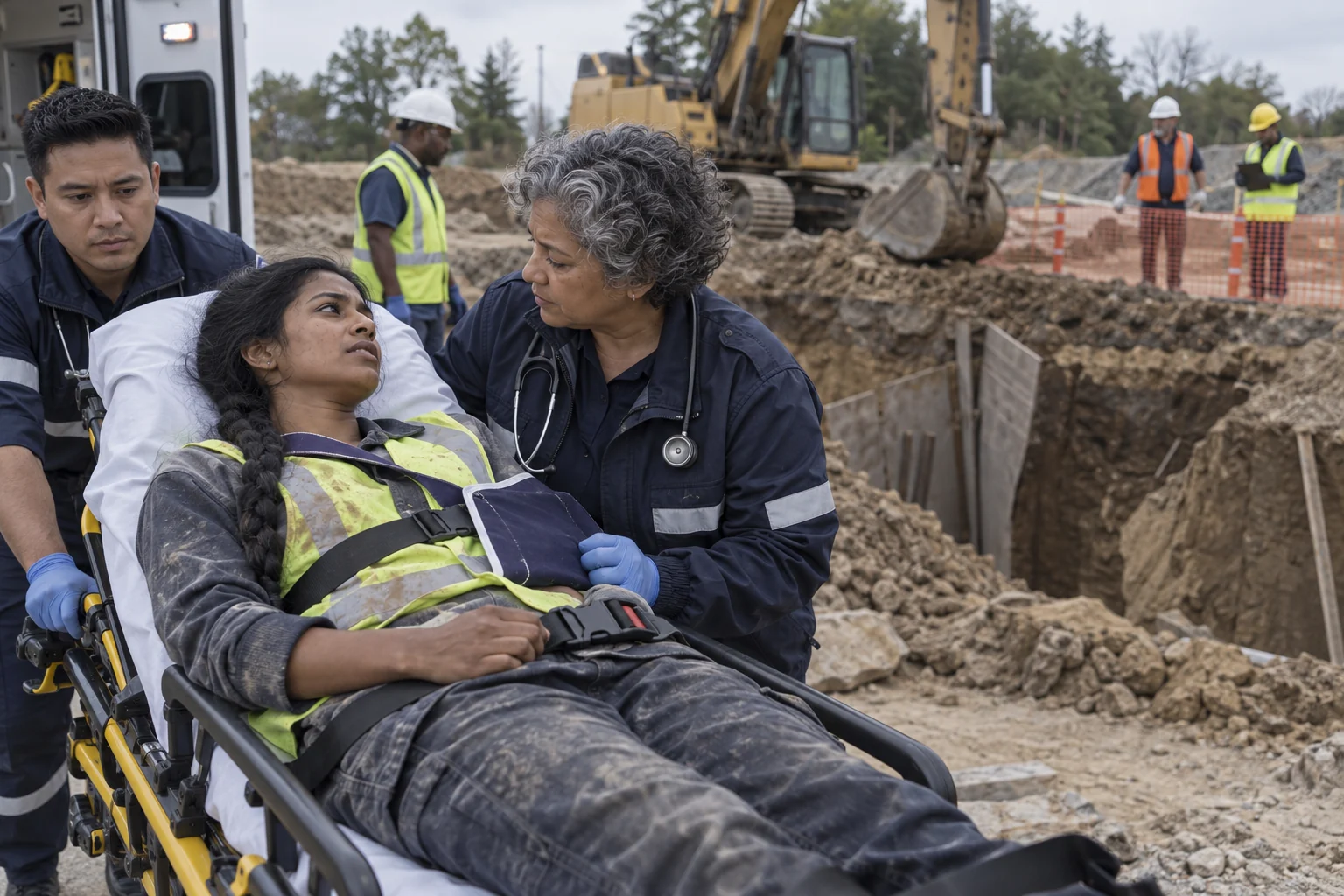
An excavation collapse can leave an injured worker and family dealing with rescue, hospitalization, and sudden uncertainty about income. Soil movement, equipment, and the layout of the excavation can make the incident difficult to reconstruct after the scene changes. This page addresses funding considerations for a pending injury claim arising from that event. It is not guidance for entering, inspecting, or attempting a rescue in an excavation; emergency response belongs to trained personnel.
Recovery Can Affect the Entire Household
Being trapped or struck in a collapse may produce several injuries rather than one isolated problem. Medical records are needed to establish what occurred and what continuing care is necessary. Recovery may interrupt physical work, travel, sleep, and a person's sense of safety around work environments. Family members may spend time away from their own employment to assist. These consequences can create immediate living expenses even while the investigation is still determining how the excavation was being used.
Examining Conditions Before the Collapse
Relevant questions can include the work being performed, the excavation's configuration, changes in soil or weather, nearby equipment, and who was responsible for the operation. OSHA identifies cave-ins and related hazards in trenching and excavation work. Applying safety requirements to a particular incident requires qualified review. An attorney may need to distinguish responsibility for planning the excavation from responsibility for the task underway when the collapse occurred. A serious outcome alone does not answer those questions.
Building a Reliable Incident Timeline
Site plans, inspection documentation, daily work reports, contractor agreements, and witness accounts may help describe conditions before rescue activities altered the area. Equipment records can identify vehicles or machinery working near the excavation. Emergency-response records may clarify the sequence without establishing civil liability on their own. Preserve communications you already have and let counsel arrange evidence requests. Medical follow-up and work-status documentation can then connect the immediate event to the restrictions affecting your household over time.
Reviewing a Funding Request
Graylock evaluates whether there is an eligible attorney-represented claim and sufficient case information for a funding decision. A trench injury may involve benefits through an employer and a separate alleged claim against another party; your attorney must explain the distinction. Funding is not a substitute for emergency assistance, benefit applications, or legal investigation. Consider the specific bills creating pressure and the costs of any proposed advance. A documented injury does not by itself establish an available source of settlement proceeds.
Must the Full Investigation Be Finished First?
Not necessarily, but unresolved facts may affect whether Graylock can make a decision. Your lawyer can describe what evidence is available, what remains disputed, and the current claim status. More information may be needed before any funding offer can be considered, particularly when the responsible parties or available coverage have not yet been identified.
Request a Review With Graylock
Start with your attorney’s contact details, your state, the incident date and the amount needed for current expenses. Graylock reviews your pending claim with your attorney and may request additional information. Applying is free and does not require you to accept an offer. Approval, signing documents and receiving funds are separate steps; timing depends on the case and payment arrangements.
Understand the Cost Before Accepting
Accepting funding has a cost. Repayment comes from settlement or judgment proceeds under your agreement and reduces the amount remaining from your recovery. If the case produces no recovery, you owe nothing under Graylock’s non-recourse terms. Review the written agreement with your attorney, including charges and payoff amounts at different dates. Funding does not guarantee approval of additional requests or a particular case outcome.
Review Costs and Repayment · How Funding Works
Graylock Services provides funding, not legal representation or medical care. Availability and eligibility vary by state and case. Your attorney can advise on your claim; a qualified clinician should guide medical care.
Background Resources
Need Funds While Your Case Is Pending?
Applying is free. Our experienced paralegals work with your attorney to review your case. Timing depends on the case information, completed documents and payment method.
Check Funding EligibilityUnderstand Costs and Repayment · How Funding Works
Still looking for representation? Our staff can help you explore qualified attorneys we have vetted.
Questions? Call (800) 539-6470.