
Browse All Case Types
Pre-Settlement Funding for Boarding and Exiting a Public Bus
When the Injury Happens at the Door
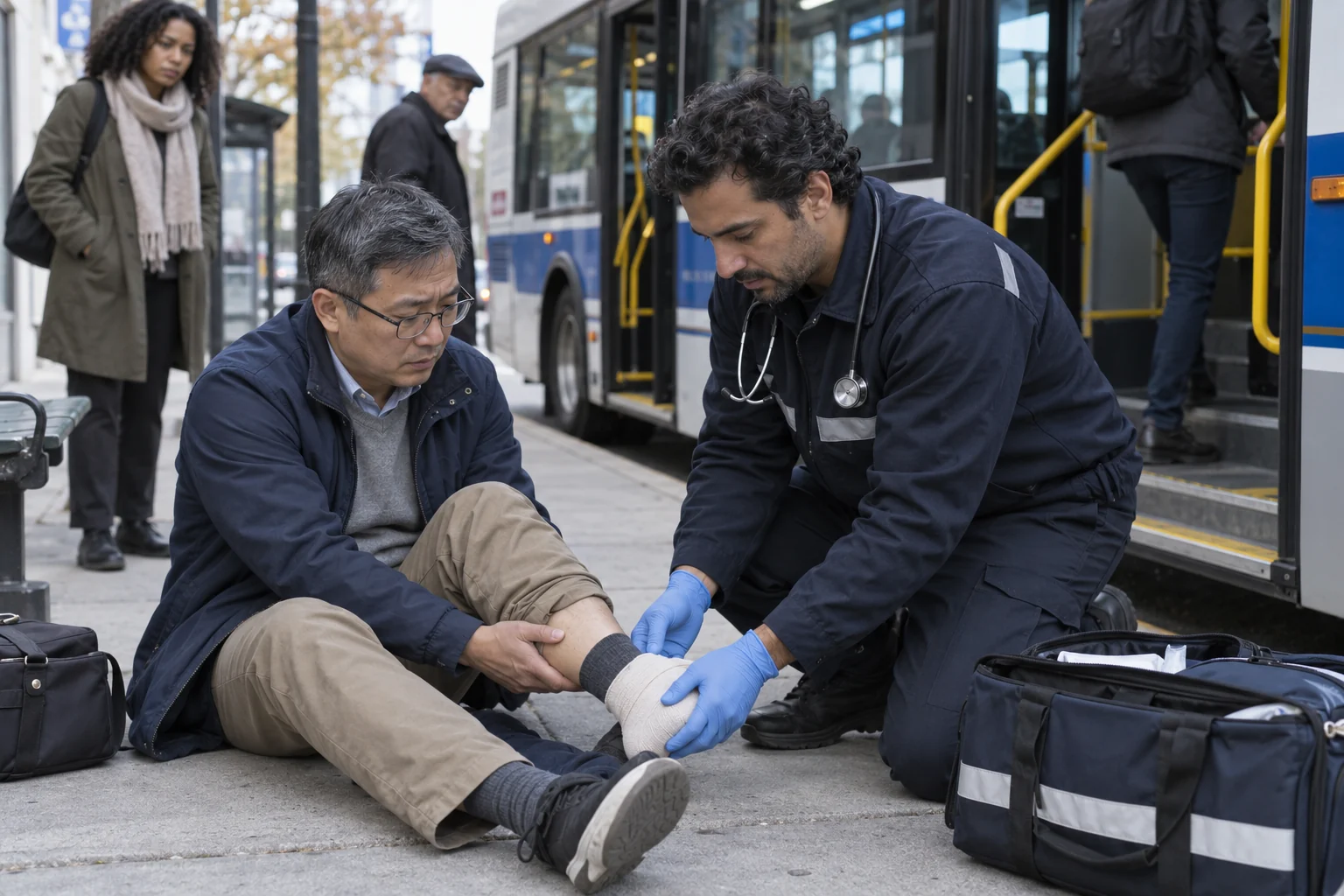
Not every bus injury involves a collision. A person may be hurt when a door closes, a vehicle moves during boarding, a step is difficult to negotiate, or a ramp or lift is involved. An injury can leave someone without the transportation they normally depend on for work and medical appointments. Reviewing the exact sequence helps separate a vehicle-operation issue from a sidewalk or stop condition. Graylock considers funding for represented injury claims individually, with attention to responsibility, documentation, and potential recovery.
Identifying the Bus and Stop
Keep the route, direction, bus number, stop location, date, and approximate time. A fare receipt, transit-app history, or message sent immediately afterward may help establish the trip. Explain whether you were boarding, stepping off, or waiting nearby when the event occurred. Note the door used and whether the bus was stationary or moving. These details can help counsel locate vehicle records and video. If another person assists with the account, distinguish their observations from what the injured passenger personally recalls.
Door, Step, Ramp, and Lift Evidence
Photographs taken safely may show the relationship between the bus and curb or the condition of a step. Driver and passenger accounts, incident reports, maintenance information, and onboard footage may provide additional context. For a mobility-device incident, record the type of device and the assistance requested or offered without attempting to recreate the event. Accessibility requirements can be relevant, but an injury does not itself establish a violation. Your attorney can evaluate applicable rules and the evidence concerning the particular equipment and operator.
Separating the Injury From the Location
A fall beside a bus might involve a stop surface, a third party, the bus position, or several contributing conditions. Ownership and control of the stop may differ from operation of the vehicle. Avoid assuming one transit entity is responsible for everything nearby. Keep care records, mobility restrictions, missed-work information, and receipts for replacement transportation. These materials show how the event affected everyday life and help the attorney identify which facts require further investigation rather than relying on a broad description of a bus accident.
Funding Review During Recovery
A public operator may be subject to claim procedures different from those for a private business. Counsel should identify applicable notices and deadlines promptly; there is no universal nationwide timeline for this guide to promise. Before requesting funding, ask whether the responsible parties and insurance or other recovery source have been identified. Explain the expenses you need to bridge and any existing advances. Graylock can assess a request with your attorney, while legal questions about accessibility, governmental responsibility, and the strength of the claim remain with counsel.
Request a Review With Graylock
Start with your attorney’s contact details, your state, the incident date and the amount needed for current expenses. Graylock reviews your pending claim with your attorney and may request additional information. Applying is free and does not require you to accept an offer. Approval, signing documents and receiving funds are separate steps; timing depends on the case and payment arrangements.
Understand the Cost Before Accepting
Accepting funding has a cost. Repayment comes from settlement or judgment proceeds under your agreement and reduces the amount remaining from your recovery. If the case produces no recovery, you owe nothing under Graylock’s non-recourse terms. Review the written agreement with your attorney, including charges and payoff amounts at different dates. Funding does not guarantee approval of additional requests or a particular case outcome.
Review Costs and Repayment · How Funding Works
Graylock Services provides funding, not legal representation or medical care. Availability and eligibility vary by state and case. Your attorney can advise on your claim; a qualified clinician should guide medical care.
Background Resources
Need Funds While Your Case Is Pending?
Applying is free. Our experienced paralegals work with your attorney to review your case. Timing depends on the case information, completed documents and payment method.
Check Funding EligibilityUnderstand Costs and Repayment · How Funding Works
Still looking for representation? Our staff can help you explore qualified attorneys we have vetted.
Questions? Call (800) 539-6470.