
Browse All Case Types
Pre-Settlement Funding for Knee and Ligament Injuries
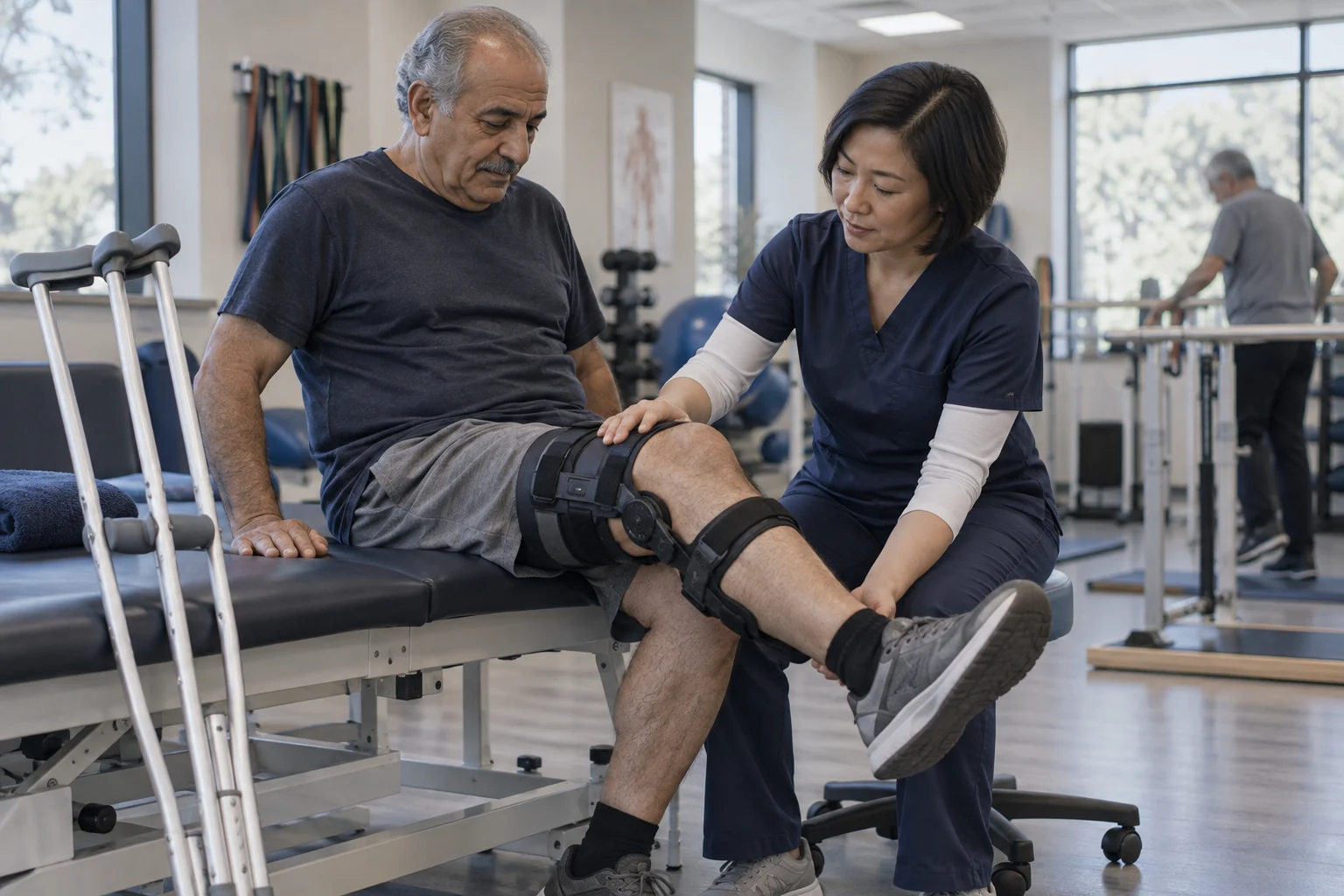
A Knee Injury Can Change Everyday Movement
Difficulty walking, using stairs, kneeling, or standing can disrupt a person's work and independence after an accident. Knee injuries may involve different structures and can arise in different ways. Symptoms alone do not establish a particular diagnosis or prove that another party caused the problem. Graylock reviews represented injury claims case by case. This guide focuses on useful documentation and practical funding questions, while medical professionals determine the nature of the injury and appropriate care for the individual rather than for a generic injury label.
Clarifying What the Records Show
The knee includes bones, ligaments, tendons, and cartilage, and injuries may affect more than one structure. The American Academy of Orthopaedic Surgeons describes several injury types and notes that treatment depends on the circumstances. Keep examination findings, imaging reports, and the treatment plan together. Some findings may relate to earlier conditions or changes over time, so do not assume every scan result came from the accident. Give your clinician a full history. The relationship between the event and the current condition needs appropriate medical and legal evaluation.
Explaining the Mechanism and Timeline
Describe whether the knee was struck, twisted, compressed, or injured in a fall, using only what you actually remember. Record when symptoms began and where care was obtained. Accident reports, witnesses, and photographs may help counsel understand the event, while treatment records document its aftermath. If the incident occurred during work or recreation, explain the activity and the parties involved. The claim needs an evidence-based account of responsibility; the fact that the knee now hurts does not answer whether a property owner, driver, or another person is liable.
Making Restrictions Specific
Instead of stating only that you cannot work normally, record the duties affected and any restrictions provided by your clinician. A warehouse employee's lifting and walking demands may differ from those of someone at a desk who cannot comfortably commute or sit for long periods. Keep employer communications, attendance information, travel receipts, and prescribed equipment expenses. Also note help needed with stairs, shopping, or childcare. These details explain real disruption while leaving questions about duration, treatment, and future limitations to the professionals assessing your recovery.
Considering an Advance During the Claim
Ask your attorney what evidence supports the case and whether the available recovery is affected by disputes, coverage limits, or existing obligations. The decision to consider funding should reflect the case and household need, not a promised settlement associated with a knee procedure. Graylock reviews each represented request individually and may need updated information. List urgent expenses and prior advances, then review any written offer's total payoff with counsel. Understanding how an advance could affect remaining proceeds is part of deciding whether the proposed amount fits your circumstances.
Request a Review With Graylock
Start with your attorney’s contact details, your state, the incident date and the amount needed for current expenses. Graylock reviews your pending claim with your attorney and may request additional information. Applying is free and does not require you to accept an offer. Approval, signing documents and receiving funds are separate steps; timing depends on the case and payment arrangements.
Understand the Cost Before Accepting
Accepting funding has a cost. Repayment comes from settlement or judgment proceeds under your agreement and reduces the amount remaining from your recovery. If the case produces no recovery, you owe nothing under Graylock’s non-recourse terms. Review the written agreement with your attorney, including charges and payoff amounts at different dates. Funding does not guarantee approval of additional requests or a particular case outcome.
Review Costs and Repayment · How Funding Works
Graylock Services provides funding, not legal representation or medical care. Availability and eligibility vary by state and case. Your attorney can advise on your claim; a qualified clinician should guide medical care.
Background Resources
Need Funds While Your Case Is Pending?
Applying is free. Our experienced paralegals work with your attorney to review your case. Timing depends on the case information, completed documents and payment method.
Check Funding EligibilityUnderstand Costs and Repayment · How Funding Works
Still looking for representation? Our staff can help you explore qualified attorneys we have vetted.
Questions? Call (800) 539-6470.