
Browse All Case Types
Pre-Settlement Funding for Dehydration and Malnutrition Claims
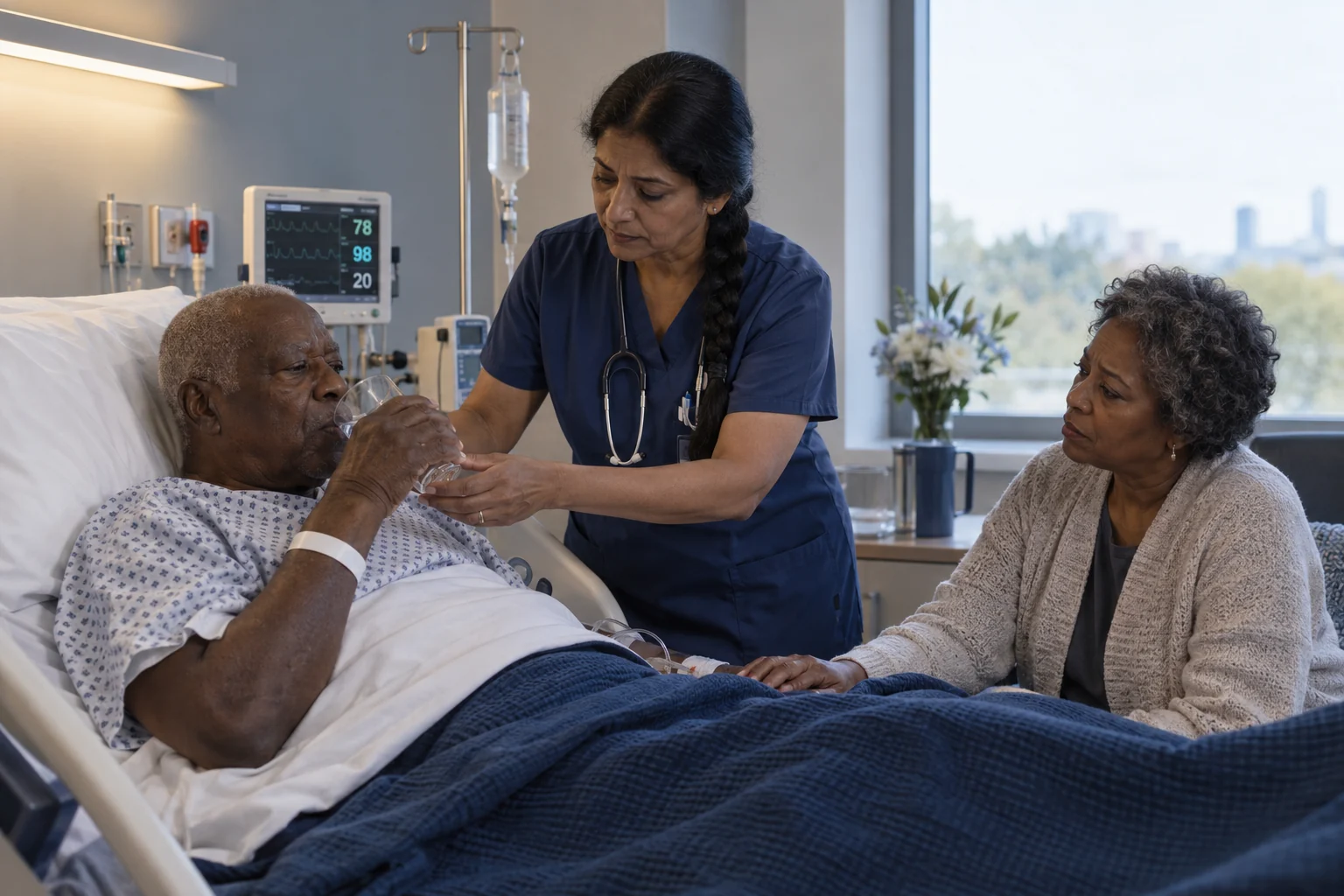
A family may become concerned when a nursing-home resident loses weight, struggles with intake, or requires treatment for dehydration. These changes deserve appropriate clinical attention, but they do not establish neglect on their own. Illness, individual preferences, and the resident's care needs must be considered. Graylock reviews eligible represented injury claims when counsel has investigated the alleged failure and resulting harm, including who has authority to act for the resident.
Looking at the Resident's Individual Needs
Nutrition and hydration care should be considered in the context of the person's medical condition, assistance needs, and care plan. CMS guidance addresses individualized assessment and care planning in nursing facilities. A general observation that food was available does not explain whether a particular resident could access or consume it. Equally, a change in weight does not by itself prove deficient care. Qualified medical and legal review is needed to understand the cause, response, and connection to any injury.
How Families Experience the Consequences
A hospitalization, additional appointments, or a change in living arrangements may disrupt both the resident and family. Relatives can face travel expenses and time away from employment while helping coordinate care. Record actual changes and keep communications organized. Financial concerns should not delay attention to a resident's current health needs. The treating team determines appropriate care; an injury claim or funding review cannot replace that assessment or establish a nutrition plan for an individual person.
Care Records That May Clarify the Issue
Assessment records, care plans, intake documentation, weight history, medication information, and notes about assistance may be relevant. Hospital records can help describe the condition when the resident was transferred. Counsel may compare these records with family observations and communications about concerns. Be specific about dates and what you personally observed. Missing or inconsistent documentation should be evaluated in context rather than treated as proof of every allegation. Your attorney can arrange appropriate requests and determine whether expert analysis is required.
Funding and Representative Authority
Graylock needs to identify the legal claimant, the person authorized to act, and the nature of any potential recovery. A relative paying expenses is not automatically entitled to obtain funding against the resident's claim. Guardianship, powers of attorney, or other authority may need review, and the applicable requirements vary. Counsel can explain those issues along with claim status, coverage, and obligations. If funding is possible, the proposed agreement should be considered against documented needs and the protections applicable to the resident.
Does a Dehydration Diagnosis Guarantee a Neglect Claim?
No. The diagnosis is part of the medical evidence, not a legal conclusion. Your attorney needs to examine what care was required, what was provided, and whether an alleged failure caused harm. Graylock evaluates the supported claim and lawful authority before determining whether a funding request can proceed.
Request a Review With Graylock
Start with your attorney’s contact details, your state, the incident date and the amount needed for current expenses. Graylock reviews your pending claim with your attorney and may request additional information. Applying is free and does not require you to accept an offer. Approval, signing documents and receiving funds are separate steps; timing depends on the case and payment arrangements.
Understand the Cost Before Accepting
Accepting funding has a cost. Repayment comes from settlement or judgment proceeds under your agreement and reduces the amount remaining from your recovery. If the case produces no recovery, you owe nothing under Graylock’s non-recourse terms. Review the written agreement with your attorney, including charges and payoff amounts at different dates. Funding does not guarantee approval of additional requests or a particular case outcome.
Review Costs and Repayment · How Funding Works
Graylock Services provides funding, not legal representation or medical care. Availability and eligibility vary by state and case. Your attorney can advise on your claim; a qualified clinician should guide medical care.
Background Resources
Need Funds While Your Case Is Pending?
Applying is free. Our experienced paralegals work with your attorney to review your case. Timing depends on the case information, completed documents and payment method.
Check Funding EligibilityUnderstand Costs and Repayment · How Funding Works
Still looking for representation? Our staff can help you explore qualified attorneys we have vetted.
Questions? Call (800) 539-6470.