
Browse All Case Types
Pre-Settlement Funding for Shoulder and Rotator-Cuff Injuries
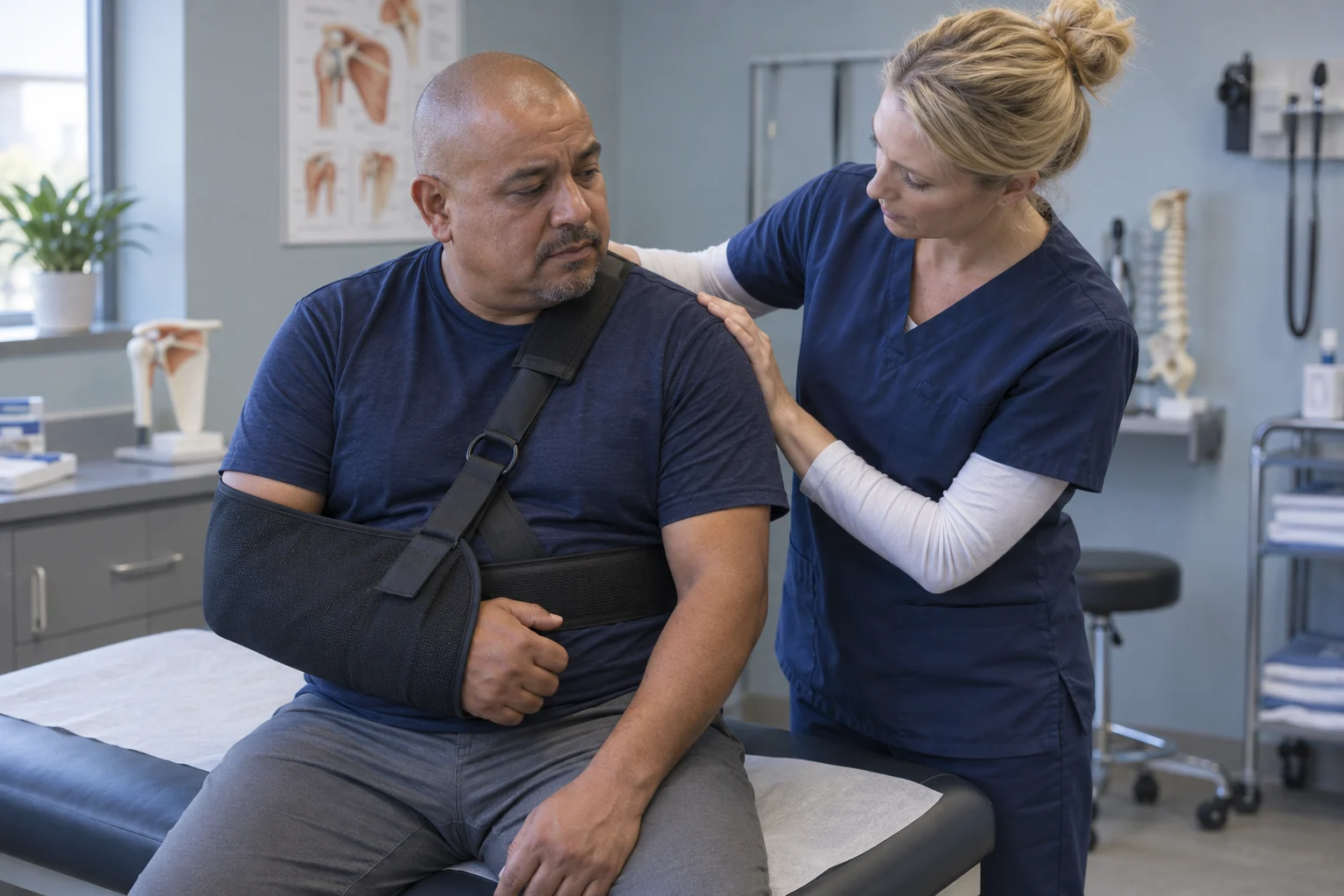
When Reaching and Lifting Become Difficult
A shoulder injury can interfere with dressing, driving, sleeping, lifting, and using tools. A person may still be able to walk and appear well while struggling with tasks essential to earning a living. The practical effects deserve careful documentation. Graylock considers represented injury claims individually, including evidence of responsibility and potential recovery. This page explains the records and questions relevant to a funding review; it does not diagnose shoulder pain, determine whether a tear is traumatic, or promise an outcome based on a treatment recommendation.
Understanding the Clinical Evidence
The rotator cuff is a group of muscles and tendons that helps the shoulder function. The American Academy of Orthopaedic Surgeons explains that tears can result from an injury or develop through degeneration. That distinction makes an accurate history important. Keep examination findings, imaging, and treatment recommendations together, and tell providers about earlier symptoms. A report describing a tear does not alone establish when it occurred or who caused it. Your treating professionals and attorney can evaluate how the clinical findings relate to the incident and the overall record.
Describing the Event Without Assumptions
Explain whether the shoulder was struck, pulled, landed on, or affected while bracing during an accident. Preserve available reports, photographs, witness details, and communications about the event. An injury in a fall raises different responsibility questions from one sustained in a vehicle collision or while using equipment. Counsel can investigate those circumstances and obtain relevant records. If symptoms changed over time, document the sequence accurately. Filling an uncertain moment with a confident guess can make the account less useful than acknowledging what you do and do not recall.
Showing Work and Household Consequences
Identify the affected arm, whether it is your dominant side, and the tasks you cannot perform comfortably or safely under medical guidance. Keep written restrictions and employer communications about modified duties or time away. Describe assistance with shopping, childcare, dressing, or other activities rather than using only a general statement of pain. Save treatment and travel records, separating current bills from possible future care. Those details help explain the financial impact while avoiding unsupported claims that a particular tear always requires surgery or produces a fixed period of disability.
Reviewing Funding Alongside Other Obligations
Discuss the claim's evidence, insurance status, and existing deductions with your attorney before choosing a funding amount. Graylock reviews the represented case as a whole; the presence of a rotator-cuff diagnosis does not establish eligibility or value. A practical request focuses on essential expenses during the waiting period and discloses earlier advances. If a proposal is available, ask how the payoff changes over time and how it would affect remaining proceeds. Treatment decisions should follow clinical advice, independently of a funding company's review or a hoped-for settlement.
Request a Review With Graylock
Start with your attorney’s contact details, your state, the incident date and the amount needed for current expenses. Graylock reviews your pending claim with your attorney and may request additional information. Applying is free and does not require you to accept an offer. Approval, signing documents and receiving funds are separate steps; timing depends on the case and payment arrangements.
Understand the Cost Before Accepting
Accepting funding has a cost. Repayment comes from settlement or judgment proceeds under your agreement and reduces the amount remaining from your recovery. If the case produces no recovery, you owe nothing under Graylock’s non-recourse terms. Review the written agreement with your attorney, including charges and payoff amounts at different dates. Funding does not guarantee approval of additional requests or a particular case outcome.
Review Costs and Repayment · How Funding Works
Graylock Services provides funding, not legal representation or medical care. Availability and eligibility vary by state and case. Your attorney can advise on your claim; a qualified clinician should guide medical care.
Background Resources
Need Funds While Your Case Is Pending?
Applying is free. Our experienced paralegals work with your attorney to review your case. Timing depends on the case information, completed documents and payment method.
Check Funding EligibilityUnderstand Costs and Repayment · How Funding Works
Still looking for representation? Our staff can help you explore qualified attorneys we have vetted.
Questions? Call (800) 539-6470.