
Browse All Case Types
Pre-Settlement Funding for Accident-Related Vision Loss
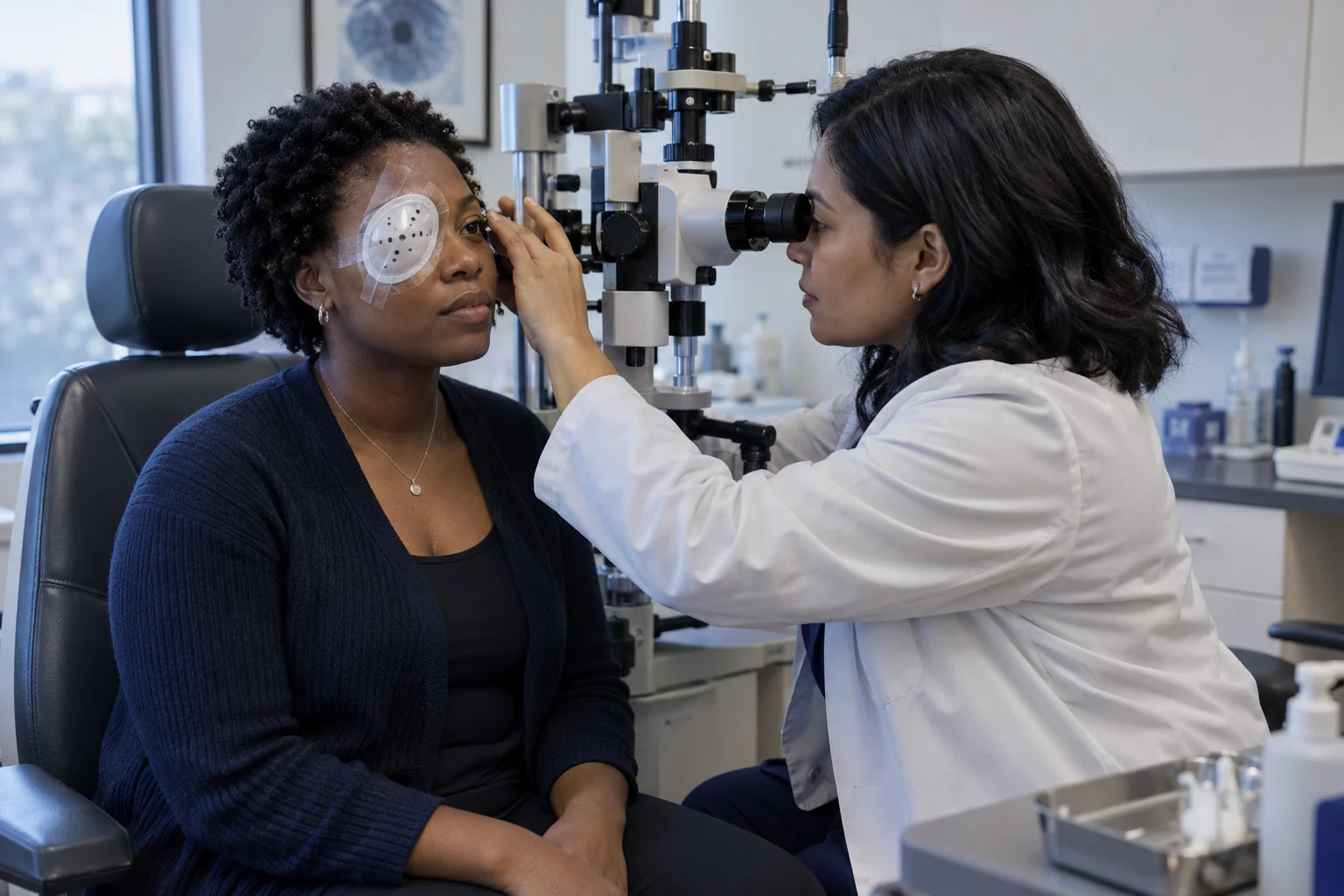
When an Injury Changes Independence
Changes in vision after an accident can disrupt reading, transportation, employment, and confidence moving through familiar places. Someone may need help with tasks that previously required little thought. Vision loss can have different causes and degrees, so an individual medical assessment is essential. This page explains the information useful in a represented injury claim and funding review; it cannot diagnose an eye injury. Graylock considers each request on its evidence and potential recovery rather than assuming every reported vision change has the same legal or financial consequences.
Establishing What Changed
A clear medical history helps distinguish a new problem from an earlier condition. Your treating professionals may document the nature of the visual limitation, examinations, treatment, and remaining uncertainties. Give them an accurate account of symptoms and the incident without attempting to interpret test results yourself. Keep records from emergency care and specialist visits together. Prior vision records may also be relevant to counsel's assessment. Their existence does not automatically resolve the claim either way; the connection between the accident and the change requires appropriate evaluation.
Evidence About the Accident
The records needed depend on whether the event involved a collision, a falling object, a workplace activity, or another circumstance. Preserve existing photographs, incident reports, witness information, and details identifying the responsible parties. A medical diagnosis describes an injury but does not alone establish who caused it. Your attorney can investigate both the occurrence and the clinical evidence. If records are difficult to access because of visual limitations, ask about a communication format that works for you and a suitable way for authorized assistance to be provided.
Making Daily Effects Understandable
Keep concrete examples of changes in daily functioning, such as difficulty reading work materials, using a screen, traveling independently, or identifying objects. Record professional recommendations for assistive tools or rehabilitation and separate those from personal guesses about future needs. Save receipts and employer communications concerning actual accommodations or missed work. The National Eye Institute describes rehabilitation and aids that can help people use remaining vision, but suitable options vary. Medical professionals determine the care plan; a case or funding reviewer should not prescribe one.
Planning a Funding Conversation
Discuss with your lawyer which expenses need attention now and which future needs remain under evaluation. Ask what evidence supports the case, what recovery sources are available, and what obligations may be paid from proceeds. A request involving vision loss is reviewed individually, including whether the claim fits Graylock's funding requirements. Written funding terms should be available in a format you can review comfortably. Take time to understand the total payoff and effect on remaining proceeds, with assistance from your attorney or an authorized support person if needed.
Request a Review With Graylock
Start with your attorney’s contact details, your state, the incident date and the amount needed for current expenses. Graylock reviews your pending claim with your attorney and may request additional information. Applying is free and does not require you to accept an offer. Approval, signing documents and receiving funds are separate steps; timing depends on the case and payment arrangements.
Understand the Cost Before Accepting
Accepting funding has a cost. Repayment comes from settlement or judgment proceeds under your agreement and reduces the amount remaining from your recovery. If the case produces no recovery, you owe nothing under Graylock’s non-recourse terms. Review the written agreement with your attorney, including charges and payoff amounts at different dates. Funding does not guarantee approval of additional requests or a particular case outcome.
Review Costs and Repayment · How Funding Works
Graylock Services provides funding, not legal representation or medical care. Availability and eligibility vary by state and case. Your attorney can advise on your claim; a qualified clinician should guide medical care.
Background Resources
Need Funds While Your Case Is Pending?
Applying is free. Our experienced paralegals work with your attorney to review your case. Timing depends on the case information, completed documents and payment method.
Check Funding EligibilityUnderstand Costs and Repayment · How Funding Works
Still looking for representation? Our staff can help you explore qualified attorneys we have vetted.
Questions? Call (800) 539-6470.